
RAWCS Project 47-2009-20, Medical Equipment for Hospitals in countries with limited resources – Worldwide (RAOAF) – Sue O’Neill
Across many developing countries, access to antenatal care is limited. Hospitals and clinics may be far away, medical staff are often scarce, and trained professionals may only visit remote villages occasionally. For many women, pregnancy and labour rely heavily on traditional practices and the support of local communities rather than modern medical monitoring. While these traditions are deeply valued, the lack of basic medical resources can lead to devastating outcomes. Maternal and infant mortality rates remain tragically high, often because complications go undetected until it is too late.
Sometimes, however, the difference between tragedy and a healthy birth can come down to something surprisingly simple.
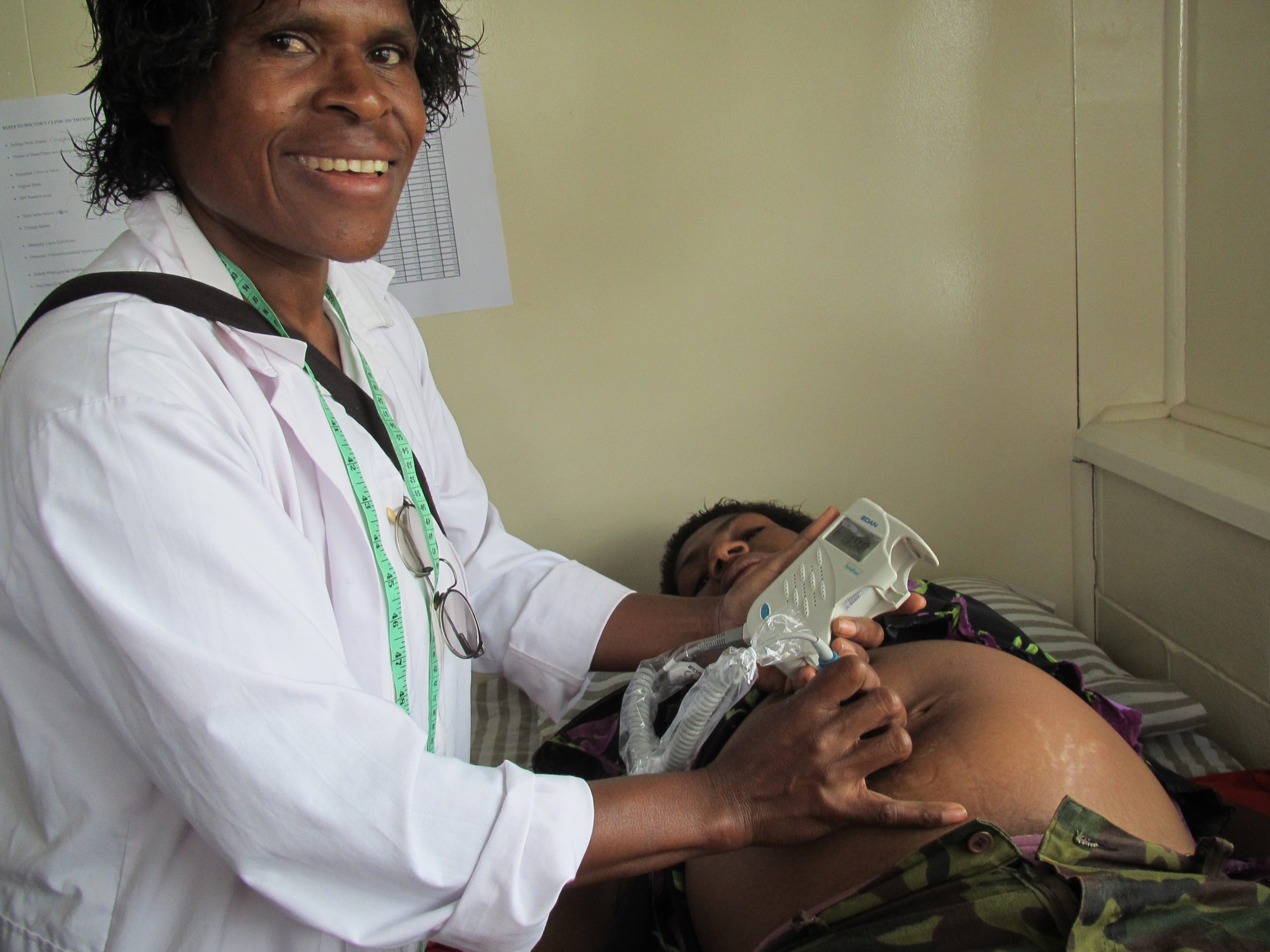
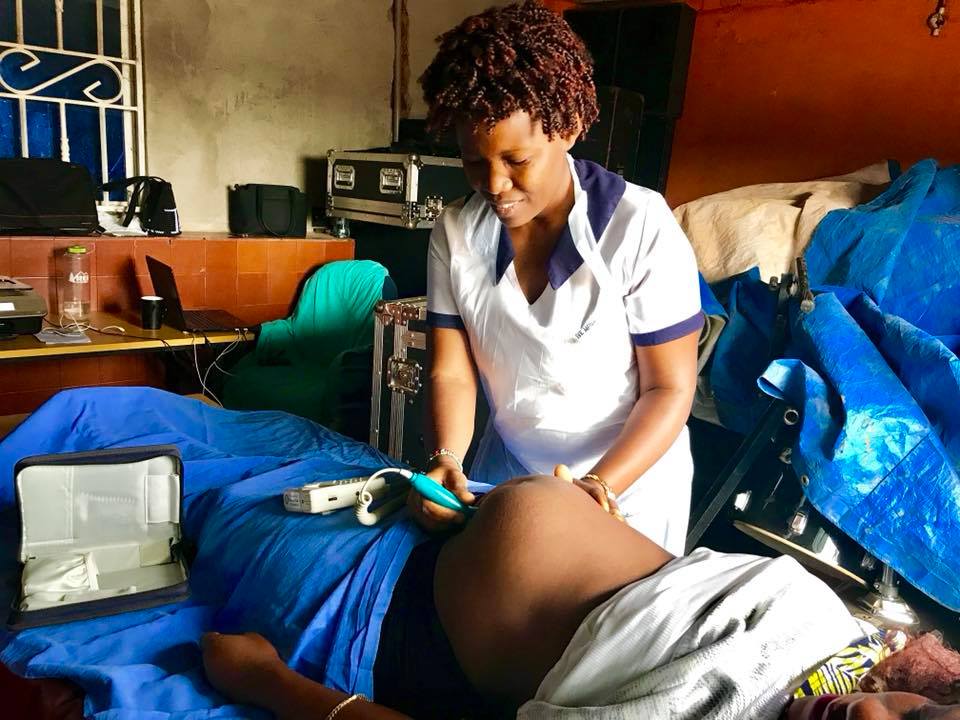
A fetal Doppler, small, portable, and relatively inexpensive, can provide clinic staff with vital information about a baby’s heartbeat during pregnancy and labour. In environments where medical teams must make quick decisions with very limited resources, this device becomes an essential tool. By monitoring the baby’s heart rate, healthcare workers can detect signs of fetal distress and act quickly when it matters most.
We have seen firsthand how transformative this can be. In clinics where a fetal Doppler was available, staff were able to recognise when a baby was in distress during labour. With that knowledge, they made the critical decision to perform an emergency Caesarean section. In situations where this information would otherwise have been unavailable, labour might have simply been allowed to continue with catastrophic consequences.
Because fetal Dopplers are small, lightweight and battery-powered, they are ideal for outreach medicine. Doctors, midwives, and healthcare teams can carry them into remote villages, bringing an important level of care directly to mothers who would otherwise go without it.
But beyond the clinical value, these devices offer something deeply human.
For many mothers, it is the first time they hear their baby’s heartbeat. The moment the rhythmic sound fills the room is unforgettable. We have watched mothers’ faces light up in amazement, some moved to tears as they ask, “Is that really my baby?” The simple sound of that tiny heartbeat brings reassurance, hope, and a profound sense of connection.
In those moments, technology fades into the background. What remains is pure joy, the miracle of life, heard for the very first time.